
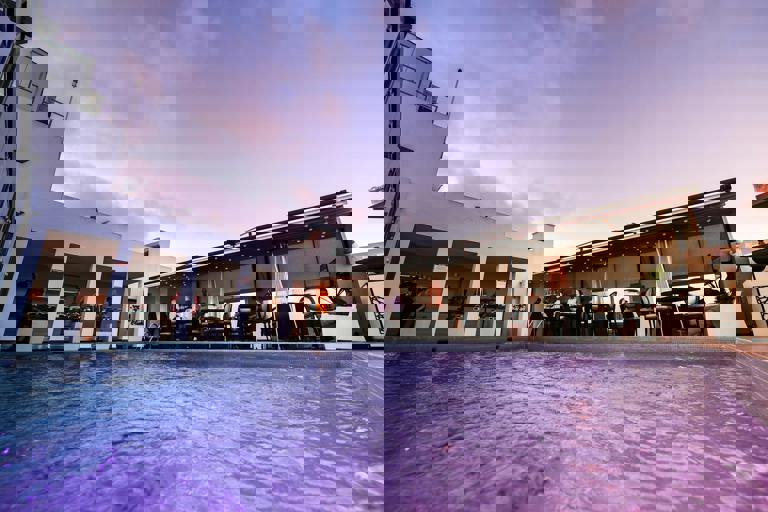
Amid the city’s familiar skyline, tucked above the bustling streets, a surprising new source of fresh produce has emerged in Manchester. An innovative rooftop farm, sprawled across several unused building tops, is transforming the local food scene. Designed by a coalition of urban farmers and environmentalists, the project provides a sustainable way to grow herbs and vegetables, delivering harvests straight from the sky to the city’s pop-up restaurants.
The rooftop farm leverages hydroponic and soil-based cultivation methods to maximise the potential of its limited space. Vertical planters line the edges, brimming with fragrant basil, thyme, and coriander, while leafy greens such as lettuce and spinach thrive in custom-built raised beds. According to the project’s co-founder, Alice Norton, “The goal is to reduce food miles, seasonal shortages, and support Manchester’s culinary experimenters with the freshest possible ingredients.”
Pop-up restaurants in Manchester have quickly embraced the farm’s output, giving city dwellers the chance to enjoy dishes adorned with hyper-local herbs and vegetables. These pop-ups, often hosted in refurbished warehouses or temporary venues, benefit tremendously from the farm’s proximity. “It’s not just about taste – it’s about being able to tell a story about where our ingredients come from,” explains chef Mark Ridley, whose popular Middle Eastern fusion nights feature rooftop-grown rocket and chard.
Beyond supplying fresh produce, the rooftop farm aims to educate Mancunians on sustainable urban agriculture. Regular workshops draw in food enthusiasts eager to learn about planting techniques, composting, pest management, and hydroponics. The initiative collaborates with local schools, offering pupils hands-on lessons about the journey from seed to plate and the importance of ecologically responsible food production in an urbanised society.
The environmental impact of the project is notable. By utilising spaces that would otherwise lie dormant, the farm reduces the urban heat island effect and mitigates rainwater runoff. Sensors installed throughout the farm monitor water usage, allowing growers to fine-tune irrigation systems and minimise waste. “We’re seeing positive microclimate changes,” says horticulturalist Ben Harper, who manages the farm. “It’s a small but vital step toward greener cities.”
Local business owners have begun to take notice as well. Several new pop-up concepts cite the rooftop farm as inspiration, seeking to integrate urban agriculture into their own business models. According to data from Manchester Chamber of Commerce, the number of food enterprises using locally grown rooftop produce has doubled in the past twelve months. Analysts predict this trend will continue as sustainability and provenance become increasingly important to UK consumers.
Although the project is still relatively young, its organisers have already faced numerous challenges unique to rooftop farming. High winds, variable sunlight, and transportation logistics pose daily hurdles. The team responded by investing in windbreaks and automated shades to regulate growing conditions, and by establishing a network of volunteers to help with crop distribution. “Every setback teaches us more about how urban agriculture must adapt,” Norton notes, reflecting on the group’s resilience.
Community engagement is at the heart of the rooftop farm’s philosophy. Open days are held each month, inviting neighbours to see the operation firsthand and purchase fresh produce directly. Local artists have contributed murals and installations, transforming the rooftops into visually striking communal spaces. These open-air events have cultivated a sense of belonging and pride among participants, fostering deeper connections within Manchester’s diverse communities.
Health and nutrition are additional focal points for the farm’s team. By growing pesticide-free crops, the project offers a healthier alternative to supermarket produce, appealing to health-conscious urbanites. Dietitian Sara Evans comments, “Access to fresh, nutrient-dense food is crucial in combatting urban health disparities. Projects like this empower residents to make better dietary choices while learning about where their food comes from.”
Looking ahead, organisers hope to expand the farm to other rooftops throughout Manchester. Negotiations are underway with additional property owners, and pilot projects are being considered in neighbouring cities. The success of the current venture has attracted attention from policymakers, who are exploring ways to incentivise similar agricultural initiatives across Greater Manchester and beyond.
The unexpected rooftop farm represents more than just a supply chain innovation – it symbolises a cultural shift in how city dwellers view food, space, and community. By bringing together restaurateurs, residents, educators, and entrepreneurs, it shines a spotlight on sustainability and creativity. As the project continues to blossom, it not only fills plates at pop-up restaurants but also inspires a wider movement toward urban resilience and conviviality in Manchester and potentially across the UK.